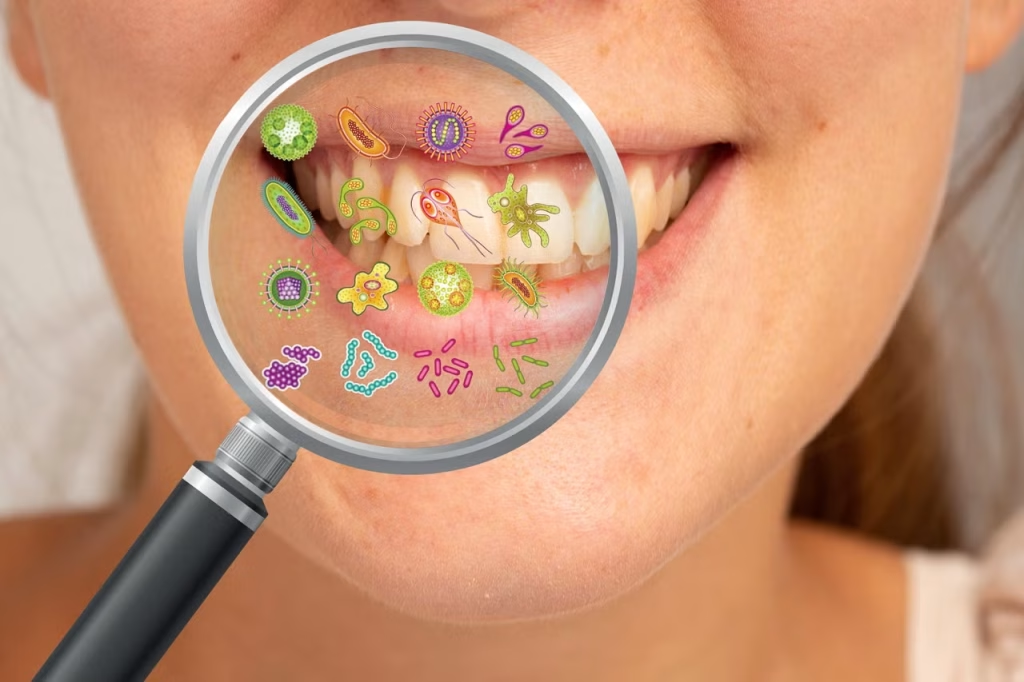
When most people think about bacteria in their mouth, they probably imagine something gross that needs to be eliminated with mouthwash. But here’s something that might surprise you: your mouth is actually home to an incredibly complex ecosystem of microorganisms, and many of them are not just harmless—they’re essential for your health.
Welcome to the world of the oral microbiome, a fascinating community of bacteria, fungi, viruses, and other microbes that call your mouth home. Understanding this ecosystem might just change how you think about oral health.
The Bacterial City in Your Mouth
Your mouth hosts over 700 different species of bacteria. That’s not 700 individual bacteria—we’re talking about 700 distinct species, with billions of individual microorganisms living on your teeth, gums, tongue, and the soft tissues of your mouth. In fact, your oral microbiome is the second most diverse microbial community in your entire body, right after your gut.
Think of it like a bustling city. You’ve got good citizens who contribute to the community, troublemakers who cause problems when they get out of hand, and neutral residents who just go about their business. When this city is balanced and functioning well, everything runs smoothly. But when things get out of balance—when the troublemakers start taking over—that’s when problems begin.
The Good, The Bad, and The Balance
Not all bacteria are created equal. Your oral microbiome contains beneficial bacteria that actually protect your health in several important ways:
They defend your territory. Good bacteria compete with harmful bacteria for space and resources. When beneficial microbes are thriving, they crowd out the pathogens that cause tooth decay, gum disease, and bad breath. It’s like having a good neighborhood watch program—the presence of friendly residents naturally keeps the bad actors at bay.
They maintain pH balance. Your mouth’s pH level is crucial for protecting your teeth from decay. Beneficial bacteria help keep this balance in check, preventing the acidic conditions that erode tooth enamel.
They support your immune system. The bacteria in your mouth actually communicate with your immune system, helping it distinguish between harmless microbes and actual threats. This ongoing conversation is essential for preventing unnecessary inflammation while still protecting against real infections.
They produce helpful compounds. Some beneficial bacteria produce substances that actively fight harmful microbes or reduce inflammation. Others help break down food particles in ways that benefit your oral health.
On the flip side, when harmful bacteria start dominating your oral microbiome, they produce acids that eat away at your tooth enamel, release compounds that cause bad breath, and trigger inflammation that can lead to gum disease. The key is maintaining balance—you can’t eliminate all bacteria (nor would you want to), but you want the good ones to outnumber the troublemakers.
Why Your Oral Microbiome Matters Beyond Your Mouth
Here’s where things get really interesting: your oral microbiome doesn’t just stay in your mouth. Research is increasingly showing connections between oral bacteria and overall health that go way beyond cavities and gum disease.
Every time you swallow, you’re sending oral bacteria down into your digestive system. Some of these microbes can survive the journey and actually colonize your gut, influencing your intestinal microbiome. Scientists are discovering links between oral bacteria and conditions like inflammatory bowel disease, with certain mouth bacteria showing up in inflamed gut tissue.
But it goes even further. Bacteria from your mouth can enter your bloodstream through tiny cuts in your gums (which happens more often than you’d think, especially if you have gum disease). Once in circulation, these microbes or the inflammatory compounds they trigger can potentially affect your cardiovascular system, your brain, and other organs.
Some research has even found associations between certain oral bacteria and cognitive health. For instance, the gum disease pathogen Porphyromonas gingivalis has been detected in the brains of Alzheimer’s patients, though scientists are still working to understand the exact relationship.
The point is this: what happens in your mouth doesn’t stay in your mouth. Your oral microbiome is intimately connected to your overall health in ways we’re only beginning to understand.
What Disrupts Your Oral Microbiome?
Several factors can throw your oral ecosystem out of balance:
Diet is a major player. Bacteria that cause tooth decay absolutely love sugar and refined carbohydrates. When you eat these foods frequently, you’re essentially feeding the troublemakers and helping them multiply. On the other hand, a diet rich in fiber, vegetables, and fermented foods can support beneficial bacteria.
Oral hygiene products can be a double-edged sword. While brushing and flossing are essential, some mouthwashes and toothpastes contain harsh chemicals that kill bacteria indiscriminately—good and bad alike. It’s like using a nuclear bomb when you need a targeted strike.
Medications, particularly antibiotics, can disrupt the balance by killing off beneficial bacteria along with the harmful ones they’re meant to target.
Lifestyle factors like smoking, excessive alcohol consumption, and chronic stress all negatively impact your oral microbiome.
Supporting a Healthy Oral Microbiome
So how do you keep this bacterial ecosystem in balance? Here are some practical approaches:
Maintain regular brushing and flossing—gentle, consistent oral hygiene removes harmful bacteria and food debris without scorching the earth. Consider using a tongue scraper, as your tongue is a major reservoir for bacteria.
Be thoughtful about your diet. Limit sugar and refined carbs, and include foods that support good bacteria like crunchy vegetables, which mechanically clean your teeth and stimulate saliva production.
Stay hydrated. Saliva is your mouth’s natural defense system, containing antimicrobial compounds and helping to wash away food particles and bacteria.
Some people are exploring probiotics specifically designed for oral health, though research in this area is still emerging. The idea is to directly introduce beneficial bacterial strains to help restore balance.
The Bottom Line
Your oral microbiome is a complex, living ecosystem that plays a crucial role not just in your dental health, but in your overall wellbeing. Understanding that your mouth contains both helpful and harmful bacteria—and that the goal is balance, not sterility—can change how you approach oral care.
Instead of trying to eliminate all bacteria, focus on creating conditions where beneficial microbes thrive. Your mouth, your gut, and potentially your entire body will thank you for it.