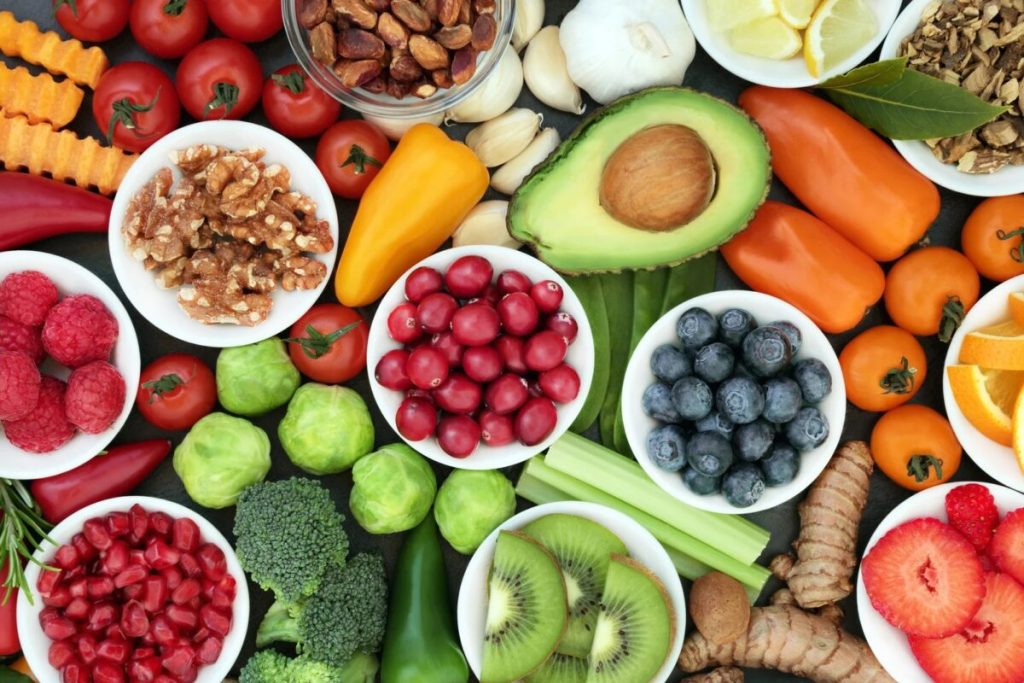
We’ve all heard the usual advice about avoiding sugary snacks and acidic drinks to protect our teeth. But what about the flip side? Are there foods that actually help keep your gums healthy and your teeth looking their best?
The answer is absolutely yes. While nothing replaces regular brushing, flossing, and dental checkups, certain foods can give your oral health a genuine boost. Some of these might be on your radar already, but others might surprise you. Let’s dive into five foods that do more for your mouth than you might think.
1. Crunchy Apples and Carrots: Nature’s Toothbrush
There’s a reason apples are sometimes called “nature’s toothbrush.” When you bite into a crisp apple or a raw carrot, you’re doing your mouth several favors at once.
First, the physical act of chewing these fibrous foods creates a scrubbing action that helps remove plaque and food particles from your teeth. It’s not as effective as actual brushing, obviously, but it’s a nice bonus when you’re snacking.
Second, crunchy fruits and vegetables stimulate saliva production, and saliva is one of your mouth’s best natural defenses. It helps neutralize acids produced by bacteria, washes away food debris, and contains enzymes that fight harmful microbes. Think of it as your mouth’s self-cleaning system kicking into high gear.
The downside? Apples do contain natural sugars and acids, so they’re not a perfect substitute for vegetables. But as snacks go, they’re pretty solid for your oral health—just maybe rinse your mouth with water afterward.
2. Cheese and Dairy Products: The pH Balancers
Here’s something interesting: eating cheese can actually raise the pH level in your mouth, making it less acidic and therefore less hospitable to the bacteria that cause tooth decay.
A study found that when people ate cheese, their mouth pH increased significantly, which helps protect tooth enamel from erosion. Cheese also contains calcium and phosphates, which are essential minerals for keeping your teeth strong and even helping to remineralize areas where enamel might be starting to weaken.
Yogurt with live cultures brings additional benefits. The probiotics in yogurt may help crowd out harmful bacteria in your mouth, supporting a healthier oral microbiome. Just make sure you’re choosing plain or low-sugar varieties—yogurt loaded with added sugar kind of defeats the purpose.
Milk is another winner here, providing calcium and vitamin D that your teeth need to stay strong. Some research even suggests that milk can help neutralize acids in your mouth after eating or drinking something acidic.
3. Leafy Greens: The Mineral Powerhouses
Spinach, kale, and other leafy greens might not be everyone’s favorite foods, but your gums absolutely love them.
These vegetables are packed with vitamins and minerals that support gum health, particularly vitamin C and folic acid. Vitamin C is crucial for reducing gum inflammation and supporting the connective tissues that hold your teeth in place. When you don’t get enough vitamin C, your gums can become more susceptible to bleeding and infection—think about the gum disease that plagued sailors with scurvy.
Leafy greens also contain calcium, which strengthens tooth enamel, and they’re high in fiber, meaning they require a lot of chewing. That brings us back to increased saliva production, which we’ve already established is great for your mouth.
The high water content in greens like lettuce and celery also helps dilute sugars and acids from other foods you eat. Plus, the act of chewing fibrous greens can help scrub your teeth surfaces naturally.
4. Strawberries: The Unexpected Whitener
This one surprises a lot of people. Strawberries are acidic and contain sugar, so you might think they’d be bad for your teeth. But they also contain malic acid, a natural compound that may help remove surface stains from your teeth.
Some people even make DIY teeth whitening pastes using mashed strawberries, though dentists have mixed opinions on this practice. The concern is that the acid and sugar could potentially do more harm than good if you’re not careful about rinsing afterward.
The better approach? Enjoy strawberries as part of a balanced diet, and maybe finish your meal with them rather than eating them alone. The other foods you’ve eaten will help buffer the acidity, and you can rinse your mouth with water afterward to clear away the sugars.
Strawberries also provide vitamin C for gum health, so they’re not just about cosmetic benefits. Just don’t rely on them as a primary whitening method—that’s still best left to professional treatments or dentist-approved products.
5. Fatty Fish and Nuts: The Anti-Inflammatory All-Stars
Here’s where we get into foods that work on a deeper level. Fatty fish like salmon, mackerel, and sardines are loaded with omega-3 fatty acids, which have powerful anti-inflammatory properties.
Since gum disease is fundamentally an inflammatory condition, getting enough omega-3s in your diet may help reduce your risk of developing gingivitis or periodontitis. Some research has found associations between higher omega-3 intake and better periodontal health, though more studies are needed to nail down the exact relationship.
Vitamin D also plays a role here, and fatty fish are one of the best dietary sources. Vitamin D helps your body absorb calcium and has been linked to reduced inflammation in the gums. Some studies suggest that people with adequate vitamin D levels have healthier gums overall.
Nuts—particularly almonds—bring similar benefits. They’re high in calcium and protein while being low in sugar. Chewing them stimulates saliva, and their healthy fats may help reduce inflammation throughout your body, including in your mouth. Walnuts are especially rich in omega-3s, making them another smart choice for supporting gum health.
Putting It All Together
The key takeaway here is that your diet plays a bigger role in your oral health than you might realize. These five foods—crunchy fruits and vegetables, dairy products, leafy greens, strawberries, and fatty fish or nuts—all support your teeth and gums in different ways, from mechanical cleaning to providing essential nutrients to fighting inflammation.
Of course, no amount of healthy eating replaces proper dental hygiene. You still need to brush twice daily, floss regularly, and see your dentist for checkups. But incorporating these foods into your diet can give you an edge in maintaining a healthy, bright smile.
And honestly? Most of these foods have benefits that go way beyond your mouth. You’re supporting your overall health while protecting your teeth and gums. That’s what I’d call a win-win.